Planning a Funeral/Memorial
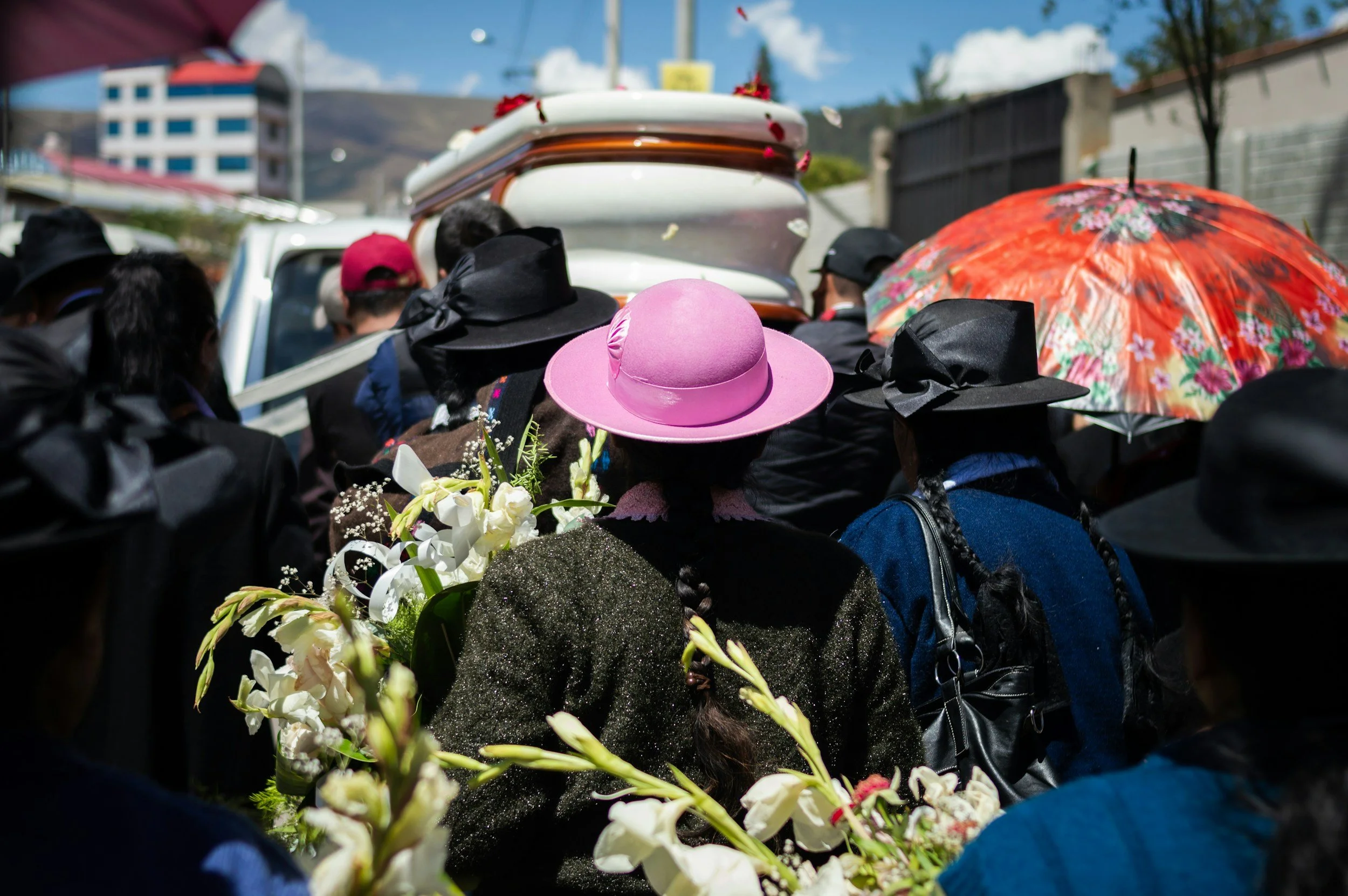
Funerals and memorials are not just ceremonies—they are gatherings -What would make people smile through their tears?
Before You Begin
One thing I've learned from attending memorial services is that they don't have to be defined by sadness alone. The most memorable gatherings often make room for both grief and joy.
When I think about the services that have stayed with me, they are rarely the most formal. They're the ones where people shared stories that made everyone laugh, played music that instantly brought the person back into the room, or filled a table with photographs, keepsakes, and small reminders of a life well lived.
A memorial can reveal a great deal about a person. It might include a favorite song, a collection of travel photos, a beloved recipe, a poem, artwork, or even a dress code that reflects their personality. These personal touches help transform a service from a ceremony into a gathering—one that feels authentic to the person being remembered.
As you think about your own plans, consider what would help people recognize you in the details. What music would be playing? What stories would your friends tell? What would make people smile through their tears?
You don't need to script the day. But leaving a few ideas behind can help your loved ones create a memorial that feels less like an obligation and more like a reflection of who you were.
Where to Start
In the days after a loss, it can be hard to know what needs attention first. The good news is that you don't have to do everything at once.
Start by gathering the people who will help make decisions and support one another. Let family and close friends know what has happened and begin discussing what kind of gathering feels right.
A few practical decisions will need to be made:
Choose a funeral home, cremation provider, or other professional support.
Decide on the type of service—a traditional funeral, celebration of life, memorial gathering, or something in between.
Select a date, time, and location.
Notify family, friends, and community members.
Write an obituary or memorial notice, if desired.
As plans come together, think about what would best reflect the person being remembered. Consider music, readings, photographs, favorite stories, meaningful objects, and who might like to speak. Often, these personal touches are what people remember most.
And perhaps most importantly, take care of one another. Funerals and memorials are not just ceremonies—they are gatherings. They create a space for people to grieve, remember, laugh, cry, tell stories, and begin the long process of carrying a loved one's memory forward.
Other Resources:
The Good Funeral Guide https://goodfuneralguide.co.uk/